My Journey
Across careers, continents, ancient places, and conversations, I have followed one enduring question: What does it mean to be human?
What does it mean to be human? That question has accompanied me through professional achievements, personal upheaval, unexpected relationships, and encounters with the distant past.
As a boy, I was drawn to my father's 54-volume Great Books of the Western World. I own that set today. Its pages remind me that life's most important questions rarely yield to a single answer.
My Backstory
The View from the Empire State Building
I remember standing on the observation deck of the Empire State Building, looking down toward my tiny office window far below.
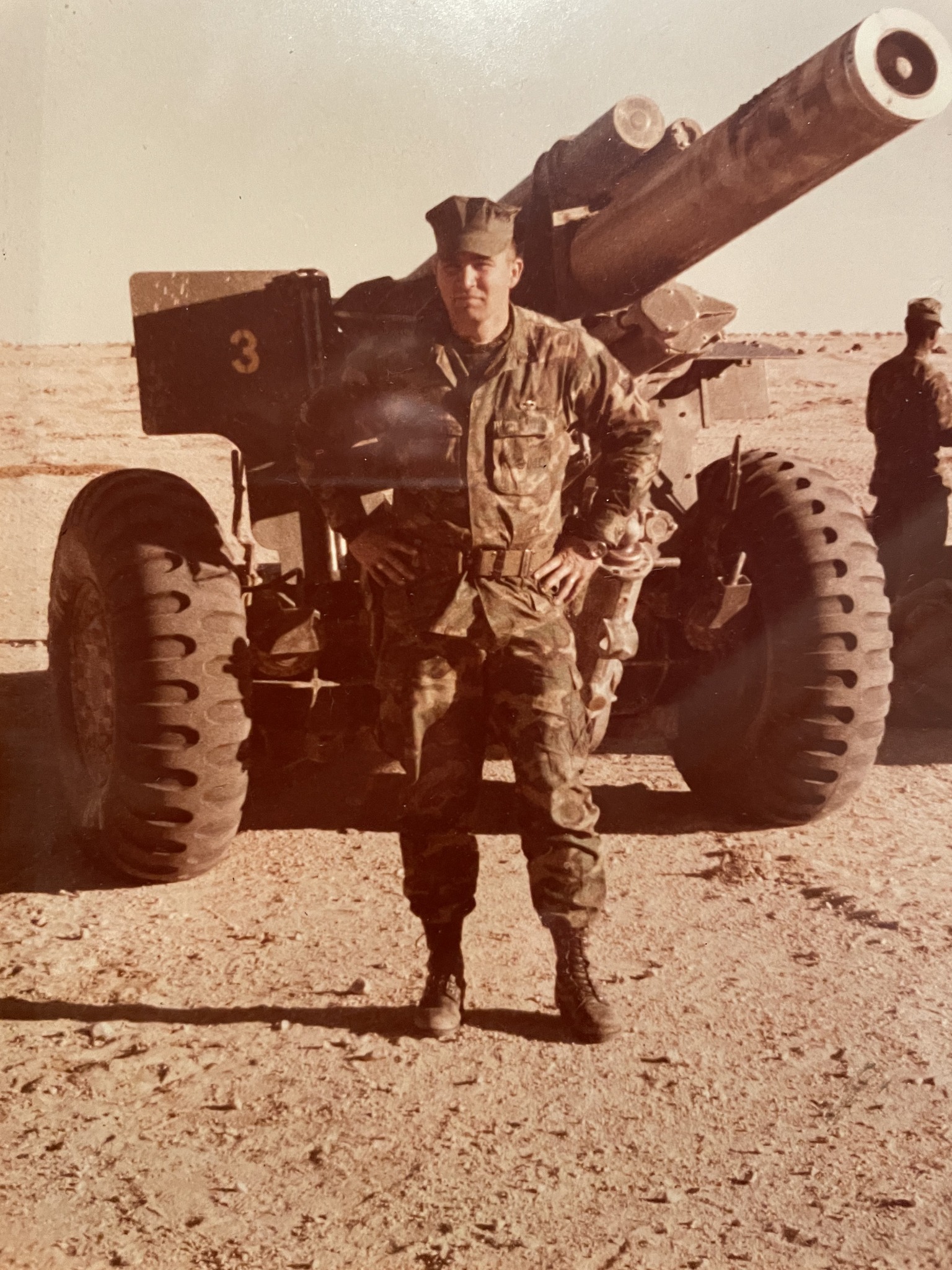
For much of my professional life, I had been climbing the ladder of outward success. I had served as a Marine Corps officer, spent more than two decades in the corporate world, and held leadership positions that had once seemed distant possibilities.
Yet there I stood, at the top of one of the world's most recognizable buildings, feeling hollow, depressed, and lost.
My personal life had been unraveling. I had survived a heart attack that nearly killed me. And despite everything I had accomplished, I found myself confronting three questions:
Who am I? Why am I here? Where am I going?
I had no answers.
When the Familiar Fell Away
Looking back, I can see that my inner struggle had begun well before the heart attack.
Late one night in 2006, alone on a business trip, I scribbled a prayer in the margins of a book. I was asking to rediscover my voice, my laughter, my creativity, my relationships, and the simple pleasures that had gradually disappeared beneath the demands of work.
Above all, I was asking to find my purpose and the strength to live it.
At the time, I could not have imagined how profoundly my life was about to change.
The heart attack came in 2007. The economic collapse followed, and by early 2008 I was unemployed, struggling with depression, and questioning much of what I had believed about myself.
The identity I had spent decades constructing no longer seemed to answer the most important questions.
Finding My Voice Through Others
In 2012, still searching, I started a men's fellowship circle.
What began as an effort to explore my own questions became something much larger. Week after week, men came together to speak openly about their lives, their relationships, their fears, their losses, and the things they had rarely felt free to share.
I began to understand something I had not fully appreciated during my professional years: genuine connection does not depend upon having the answers. Often, it begins when we are willing to acknowledge that we don't.
Those conversations helped me recognize the power of listening, vulnerability, and compassion.
But my journey was far from complete.
An Unexpected Opening
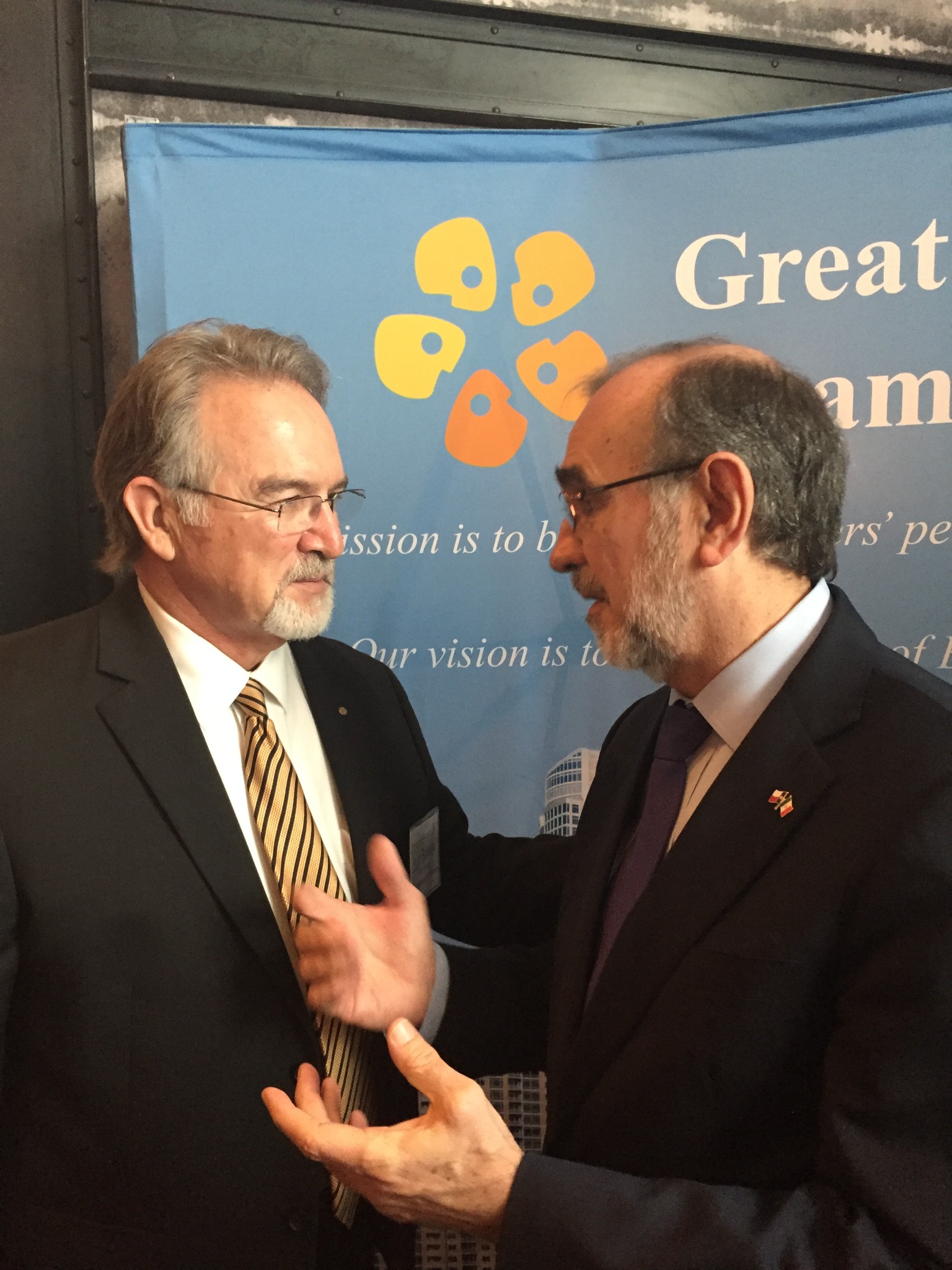
In 2018, an invitation led me to the Parliament of the World's Religions in Toronto, where I encountered Gender Equity and Reconciliation International.
That encounter opened a door I had not known existed.
During the facilitator training that followed, I found myself among people whose experiences, perspectives, and life stories challenged my understanding of the world and my place within it.
Despite years of leadership experience, I felt awkward, insecure, and deeply vulnerable. At times, my voice literally dropped to a whisper.
Yet I discovered that I could share what I had long kept hidden and be met not with judgment, but with compassion.
I also began to understand how acknowledging our own woundedness can open us to recognizing the humanity of others.
Something fundamental was changing.
Returning to the Beginning
In 2019, twelve years after that first visit, I returned to New York City to help facilitate a Gender Equity and Reconciliation workshop in partnership with a United Nations committee.
The workshop was held just three blocks from my former office.
On the morning before returning home, I visited the old building and once again made my way to the observation deck of the Empire State Building.
I looked down toward that same tiny office window.
This time, the words came quietly and without hesitation:
I know who I am. I know why I am here. I know where I am going.
The questions had not disappeared. Nor had life's uncertainties.
What had changed was my relationship with them.
I had come to recognize that purpose is not necessarily something we achieve or possess. Sometimes it emerges through the experiences we never would have chosen, the relationships that change us, and the willingness to discover something about ourselves that we could not previously see.
My journey continues.
And perhaps that is the most important discovery of all.
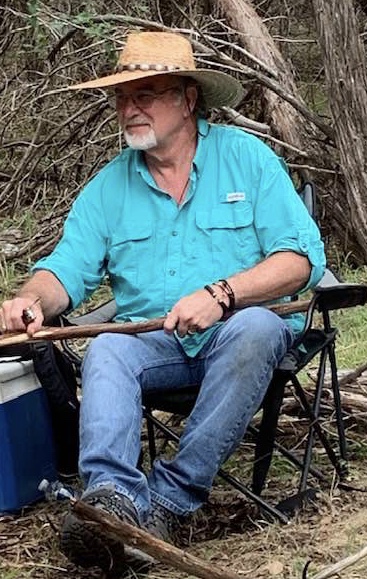
Still learning from one another
My work with men's circles and retreats grew into writing, public conversations, and continued study. What I learned from listening across different life experiences has stayed with me. My inquiry did not end when I found a clearer sense of direction; it widened, drawing me toward ancient places, symbolic traditions, and new ways of exploring familiar questions.
“The more I explored the world beyond me, the more I found myself returning to the world within.”
Looking back across millennia
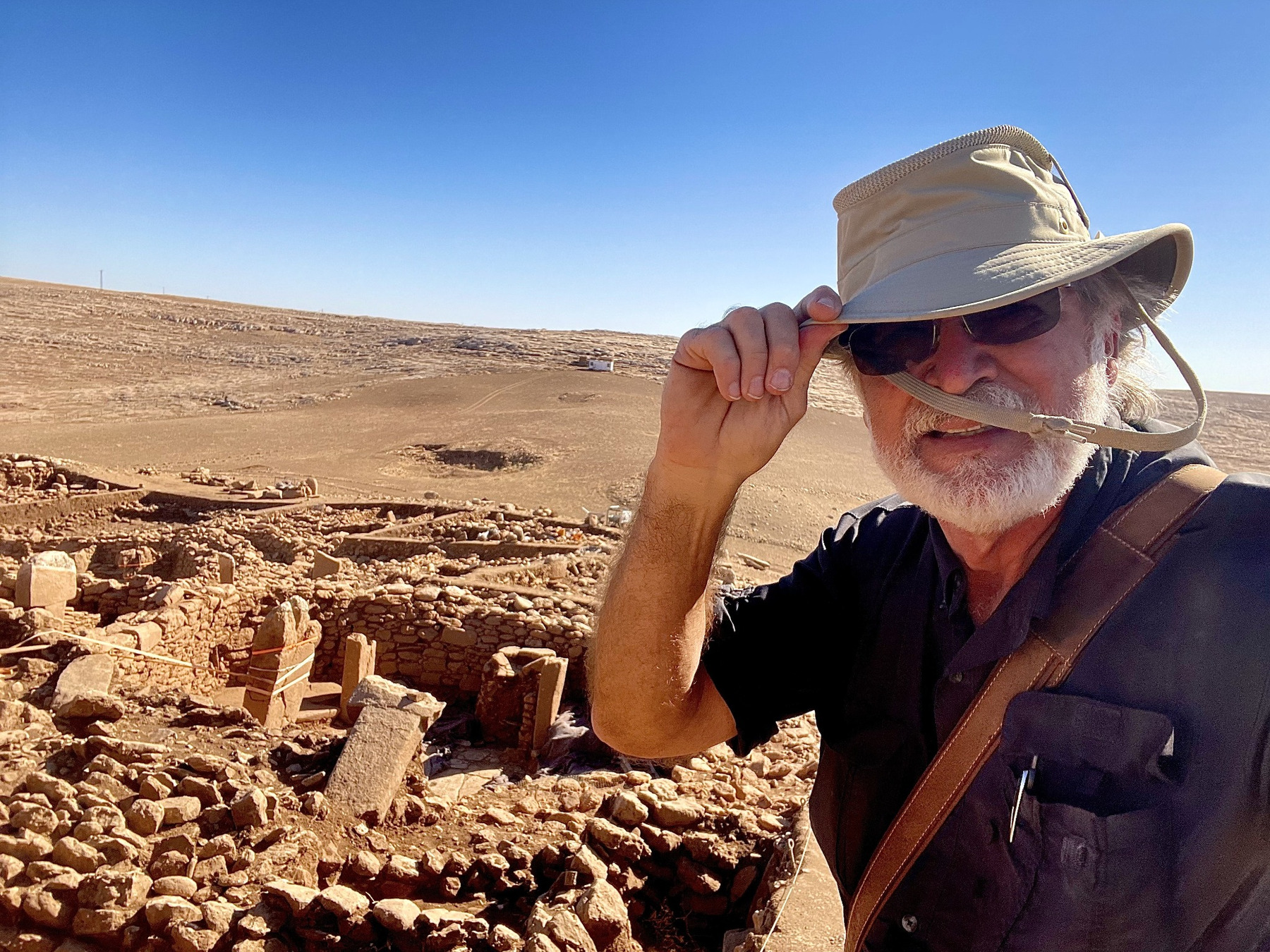
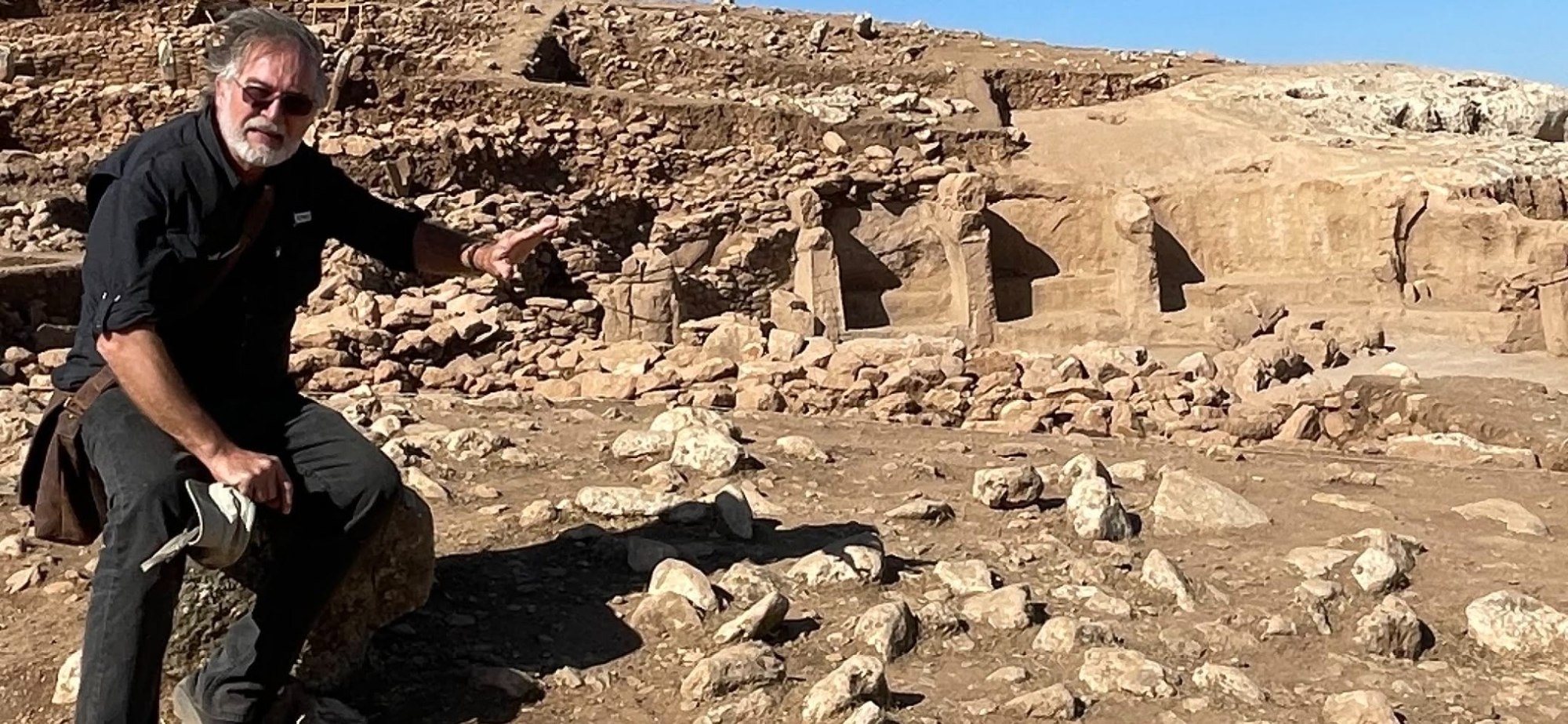
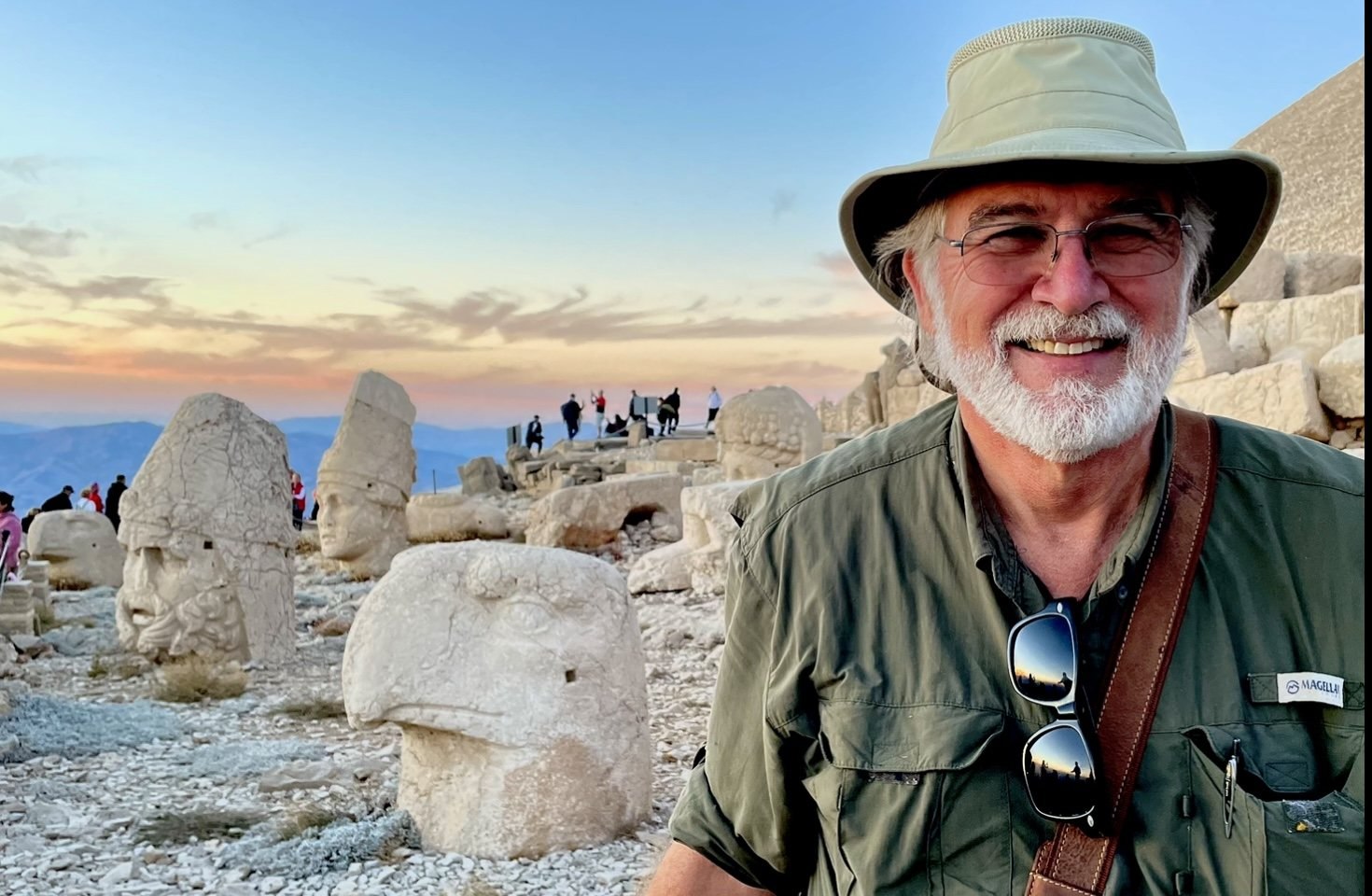
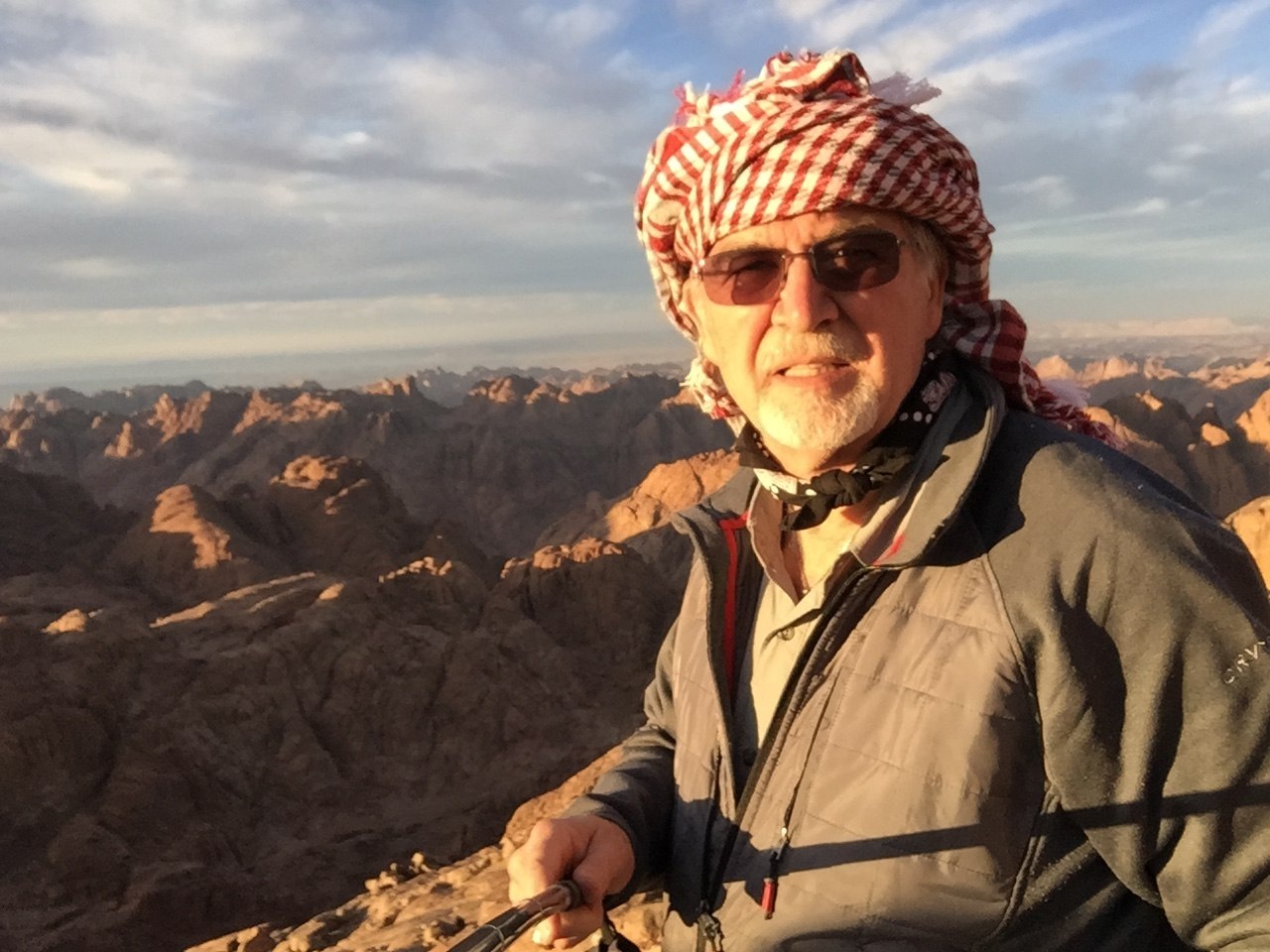
My travels to Göbekli Tepe, Karahan Tepe, and Sayburç in southeastern Türkiye have been especially meaningful. Standing among stones shaped by people thousands of years before recorded history, I felt the distance between their world and mine grow strangely smaller.
What did these places mean to those who built them? What moved people to gather, carve, imagine, and create symbols? We cannot know all their intentions. Yet the questions these places evoke—about community, mortality, mystery, and belonging—remain very much our own.
I returned to the region after years of study, not simply to collect another destination, but to see what had changed in my understanding.
From Athens to Egypt, and beyond
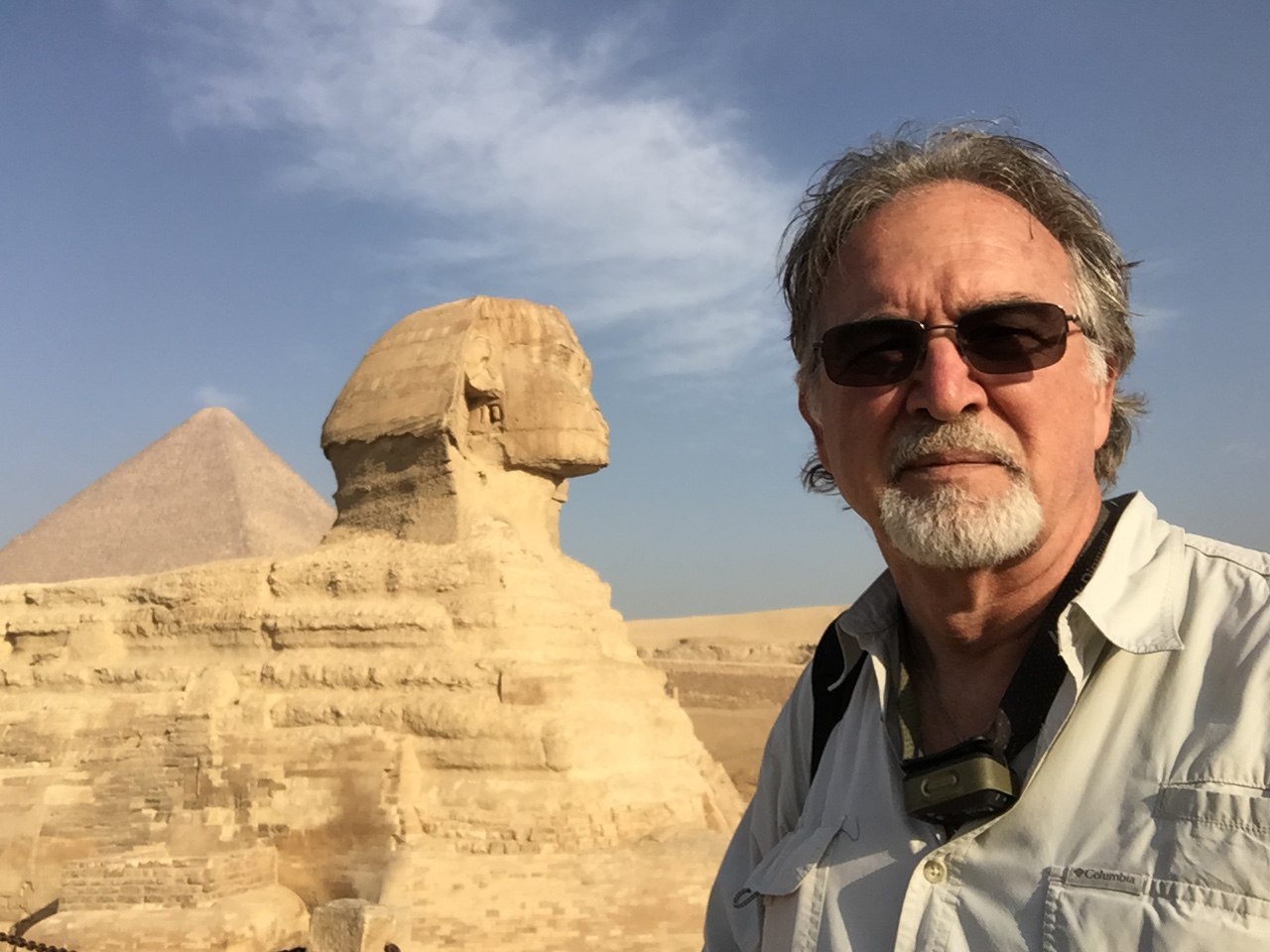
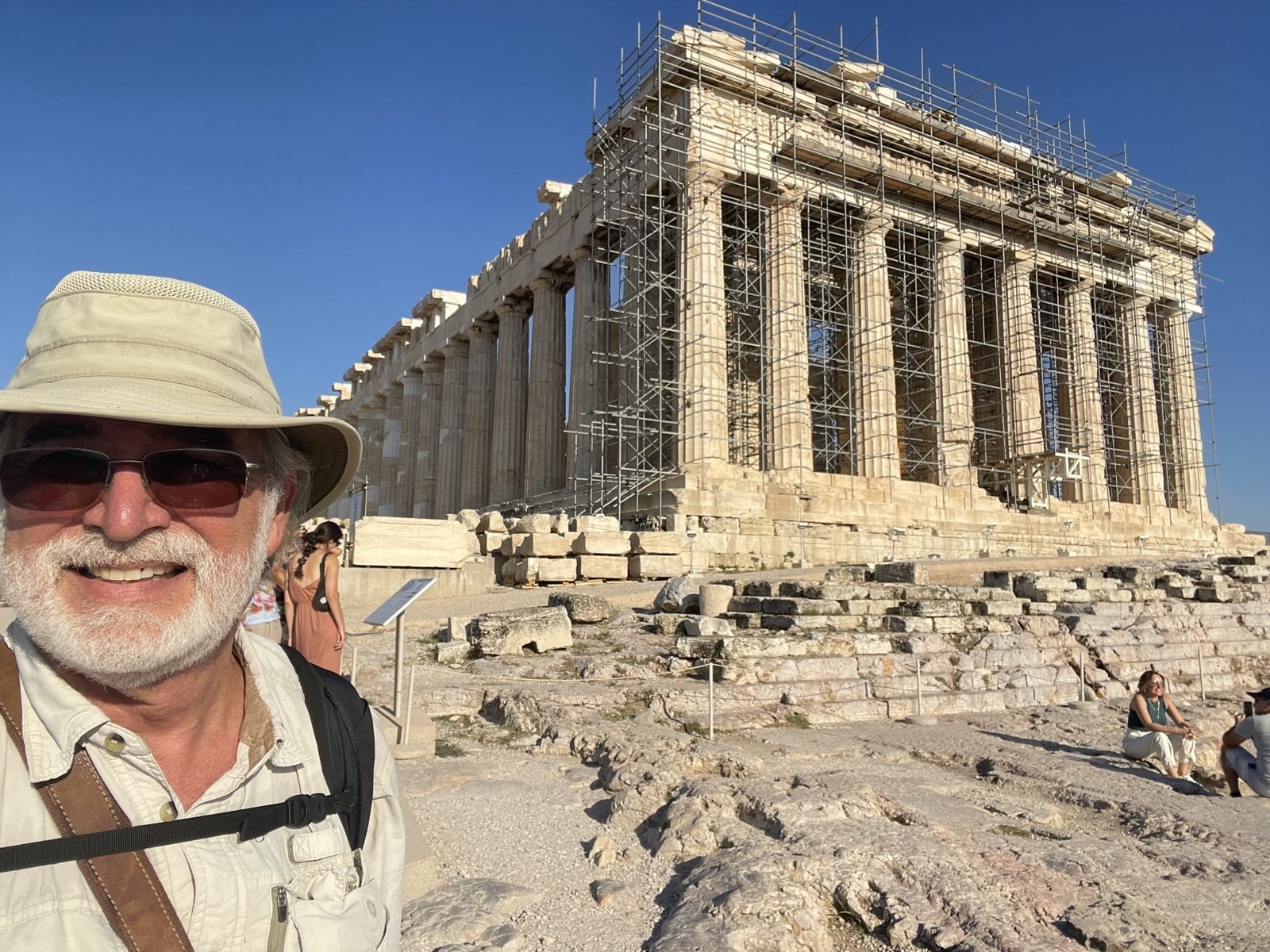
Other journeys have taken me to Athens, to the ancient remains of Egypt, and into the stories and questions preserved in art, architecture, and texts.
These travels have strengthened a conviction that the past is not merely behind us. Its questions live within our language, symbols, institutions, and imagination.
Reading Jung, Joseph Campbell, and other explorers of myth and psyche alongside the classics has deepened the conversation. So has returning to the experiences of ordinary life—with its commitments, contradictions, and unfinished work.
The mandala within
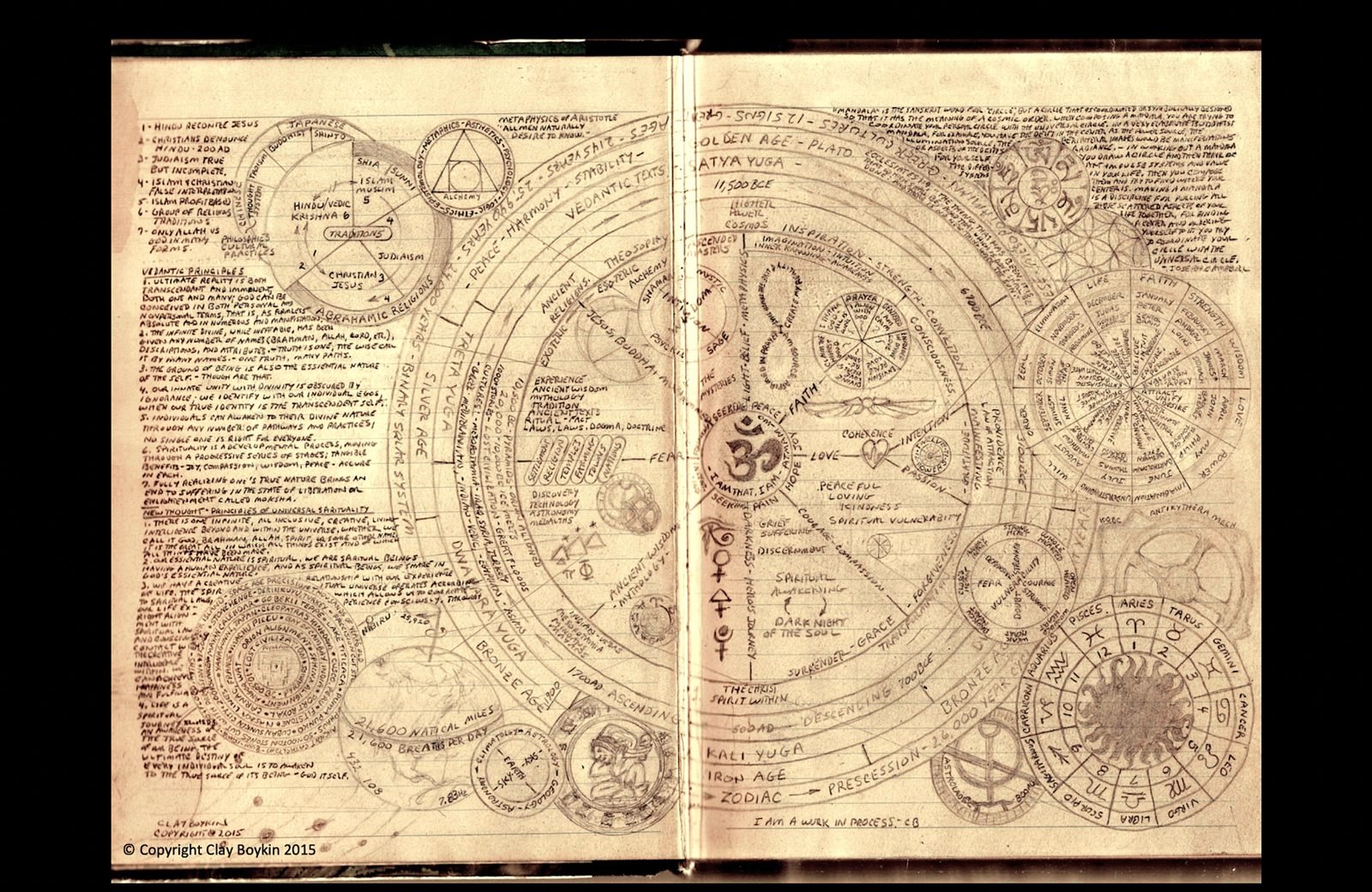
For years I have drawn and studied circles, crosses, and the relationships that arise when apparently opposing parts of life are held together. The mandala became more than an image to me. It became a way to notice patterns in experience without rushing to resolve their tensions.
These explorations, conversations, and travels eventually found their way into The Mandala Within: A Guide for Intuitive and Logical Minds. The book is an invitation to honor our capacity for both intuition and reason, and to see wholeness not as uniformity, but as the relationship among differentiated parts.
That same inquiry continues through Q-Cross™, a thinking companion that begins with a person's own questions and helps reveal the relationships emerging from them.
Still curious. Still becoming.
I have learned that inquiry does not end when an answer appears. It deepens when we recognize how much more there is to see—in ourselves, in one another, and in the world we share. Every journey brings new questions. What is yours?